Tamil Nadu has the heritage. The trust and participation layer is what is hard to see.
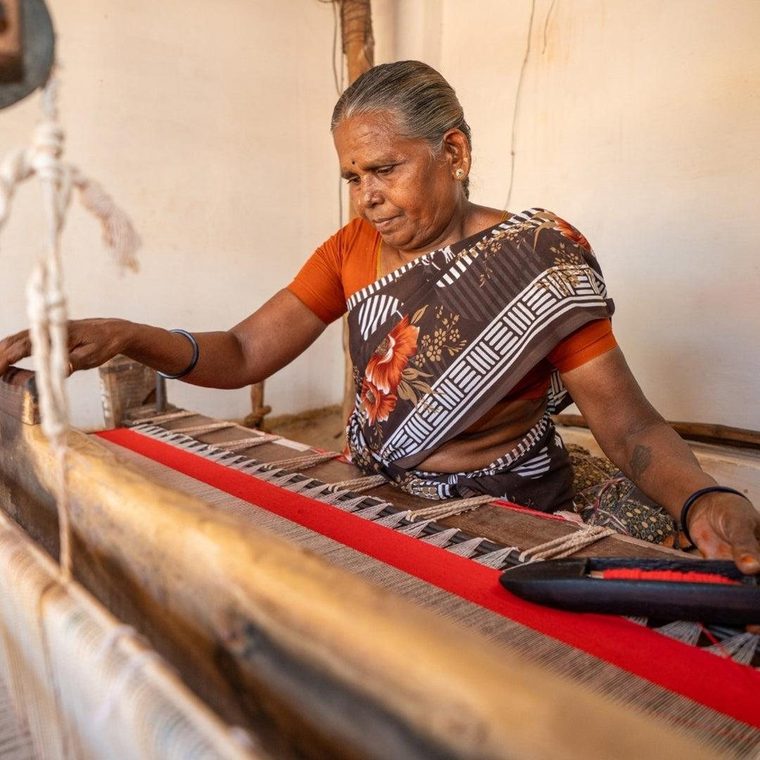
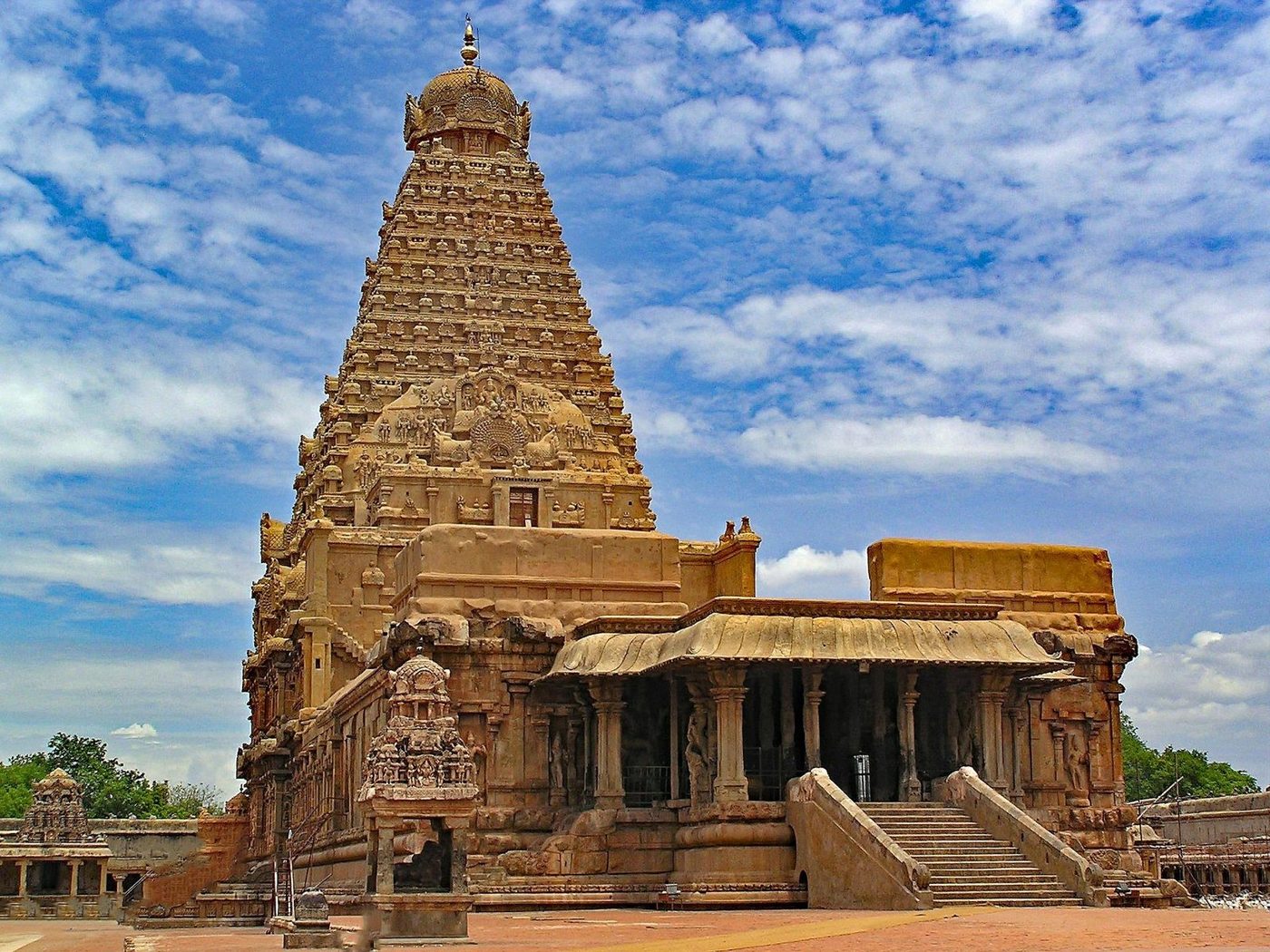
Tamil Nadu's tourism strength is cultural: courtyard mansions, temple towns, handloom and craft traditions, coast and wetlands. Much of the stay and experience supply that could serve visitors is small, family-run and lightly digitised. The pilot tests four hypotheses. They are hypotheses to investigate, not findings, and will not hold equally for every property owner.
Discovery
Visitors may find it hard to locate culturally distinctive stays and experiences outside well-known listings.
Trust
Self-reported listings and uneven photographs make it hard to judge a new or unrated property before booking.
Information
Property details, licences, amenities and local conditions may be fragmented, outdated or in one language only.
Local participation
Owners, guides and artisans with limited digital confidence may need a human, local route into tourism demand.
What this proposal does not claim
No market-size estimate, no existing Tamil Nadu traction, no confirmed partners and no guaranteed bookings or income. Every figure is either drawn from BharatBnB's own planning material and labelled as such, or is a planning target.
Three connected layers, not another booking portal.
BharatBnB helps travellers discover suitable heritage-oriented stays and local experiences, and gives participating owners and local providers an accessible route to tourism demand.
Digital discovery
A mobile-friendly interface, with WhatsApp enquiry, for exploring stays and destination experiences. Listings show structured information and verification status.
Web prototype existsTamil Nadu content proposed
Trust: Moon Rating System
A structured framework combining guest feedback, physical inspection, operational reliability and host responsiveness into a visible five-stage trust profile.
Framework defined in Blueprint v3.0Not independently validated
Local participation: Mitra Network
Trained local people who find and onboard hosts, support information collection and checks, help visitors, and carry feedback back into improvement.
Role designed in BlueprintTamil Nadu Mitras proposed; none exist today
AI is an enabling capability. It does not certify quality, guarantee safety or replace human verification. The innovation is the combination of structured trust, local human participation and accessible digital discovery.
A trust ladder that shows progress, not just a score.
The Moon Rating System is BharatBnB's proposed structured trust and verification framework. It is not a conventional guest-review score, and it is not an independently validated rating standard. A new property is a beginning, not a bad property.
Newly onboarded and BharatBnB-verified. Limited guest history. Assigned at listing.
Basic standards met. Early positive guest signals.
Consistent performance. Meets all BharatBnB standards.
High satisfaction and strong repeat bookings.
Top 10% in the district, a relative threshold. Sustained excellence.
Evidence behind each input
- Onboarding: every property starts at Nayi Shuruaat, however impressive it is.
- Inspection: a 47-point on-site checklist covering cleanliness, safety, amenity accuracy, linen and supplies, host responsiveness and documentation.
- Freshness: inspection data is refreshed every 90 days.
How to read it honestly
- A new property has a developing evidence record. Its first stage is not an established track record.
- The top-10% threshold is relative to the district, not a guarantee of guest satisfaction.
- Stage-promotion thresholds are to be finalised and tested in the pilot.
The human layer that makes the digital layer credible.
A Mitra (friend, in Hindi) is a trained local person who works inside their own community. Where property information is fragmented, digital confidence varies and visitors want a reliable local contact, a human network can do what an app alone cannot. The role is defined in BharatBnB's operating blueprint. For Tamil Nadu it is proposed, and no Tamil Nadu Mitra network exists today.
Proposed responsibilities
- Identify and engage suitable property owners
- Support onboarding and information collection
- Coordinate physical property checks
- Help hosts understand expected standards
- Assist visitor enquiries and local service connections
- Collect feedback and flag operational problems
- Support periodic re-verification
Two roles, and clear boundaries
Network opener: a locally trusted senior person who opens doors to property families and local institutions.
Field coordinator: a digitally confident local who schedules checks, supports photography and answers visitor questions.
A Mitra supports verification and does not certify a property alone. Checks follow a written protocol, and independence is a design question the pilot must settle. The pilot would target two Mitras.
The network can connect heritage-home families, local guides, artisans and weavers, cultural experience providers, and transport and food providers.
Why the Chettinad heritage cluster is a candidate pilot.
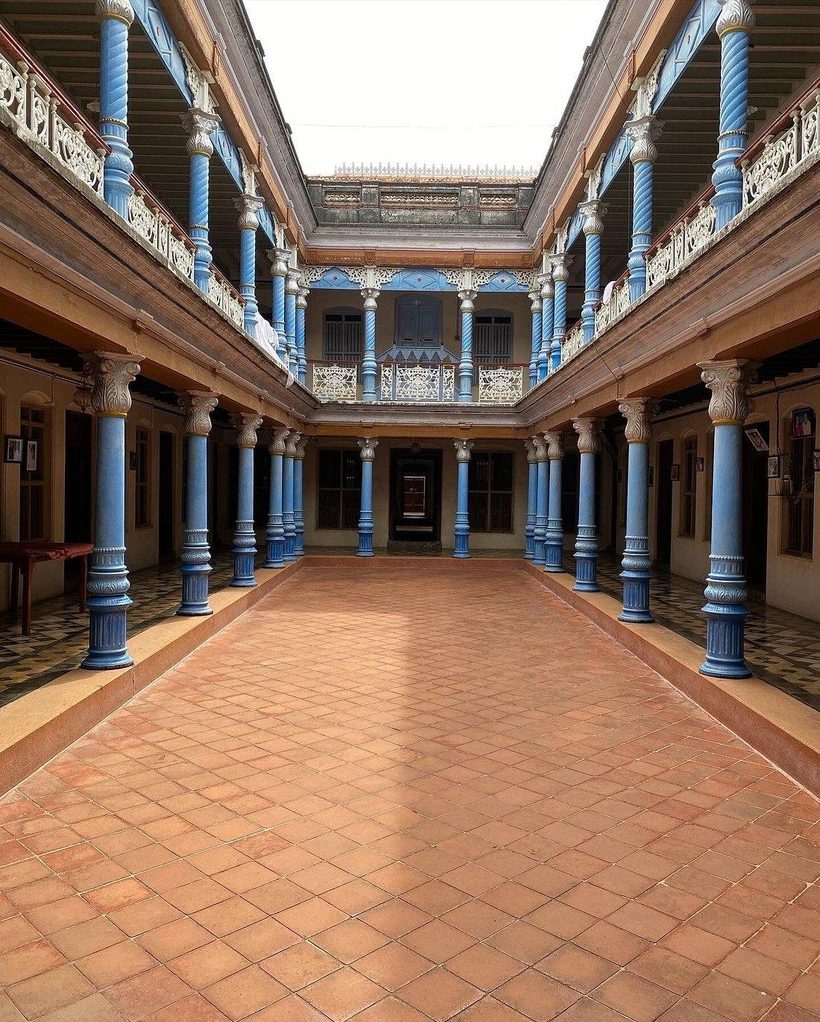
Chettinad, including the Kanadukathan–Karaikudi area, is known for courtyard mansions with distinctive architecture and a strong cultural identity. That makes it relevant to heritage-first stay discovery, where visitors need to understand what they are booking and why it matters.
The pilot would investigate
- Heritage homes and suitable homestays
- Existing licensed or otherwise eligible accommodation
- Local guides and cultural experience providers
- Artisans and locally rooted visitor services
- Potential Mitras or community coordinators
- Visitor discovery and assistance needs
- Accommodation, safety, tax, heritage and local operating rules
Eligibility is assessed one property at a time
Not every historic mansion can host visitors. Ownership, permission, safety, conservation and operating eligibility must each be confirmed before any property is listed.
Final geography is not fixed
It depends on local willingness to participate, property suitability, regulatory requirements, access to partners, and guidance from StartupTN and tourism stakeholders. The aim is a replicable operating model, not a statewide launch.
What exists today, what is in development, and what the pilot would add.
Visitor journey
- Discover a destination or heritage experience
- Explore stays and local experiences
- Review structured information and verification status
- Receive multilingual help where available
- Enquire or book through an appropriate route
- Local assistance during the trip, where the model permits
- Give feedback that informs future assessment
Host journey
- Learn about the programme
- Receive onboarding help
- Submit property details and documents
- Complete the applicable verification
- Publish an accurate listing once eligible
- Receive and answer qualified enquiries
- Improve readiness with structured feedback
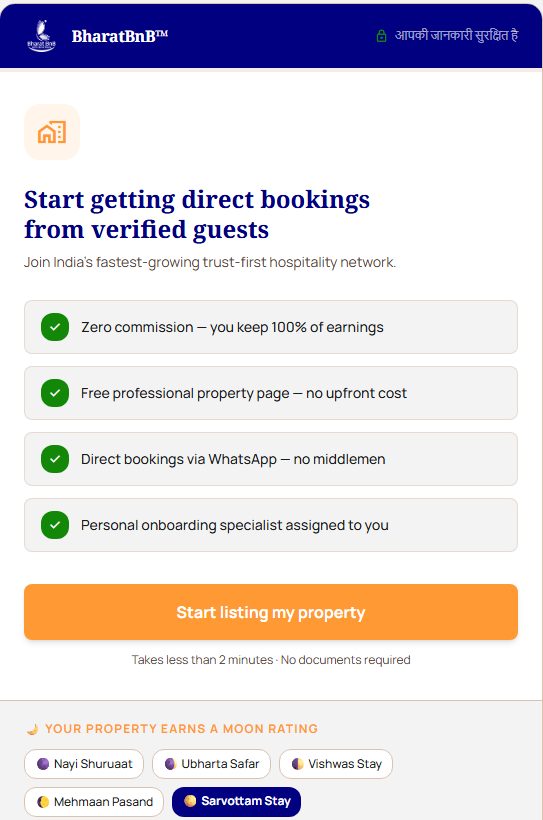
Matching and conversational assistance are proposed for the pilot. They do not exist yet.
| Capability | Status |
|---|---|
| Mobile web discovery with WhatsApp enquiry link; host listing intake form | Implemented and demonstrable in the current web prototype |
| Moon Rating stage display | Partially implemented stages shown in prototype; scoring to be built |
| Multilingual (Tamil and English) assistance | Proposed for the pilot |
| Preference matching, conversational assistant, listing assistance for hosts | Proposed for the pilot planned AI agents, not yet built |
| Translation and simplification of visitor-facing content | Future possibility |
AI does not certify property quality, guarantee safety or booking conversion, or replace human verification.
A realistic, phased pilot that measures before it scales.
Discovery and readiness
- Consult local stakeholders
- Select a feasible pilot cluster
- Map eligible owners and providers
- Assess operating rules and criteria
- Identify and assess prospective Mitras
- Set baselines and consent procedures
Onboarding and verification
- Engage interested hosts
- Gather and verify property information
- Conduct the applicable property checks
- Prepare accurate mobile-friendly listings
- Train hosts and local coordinators
- Test the enquiry and support journey
Demand testing and evaluation
- Test discovery and visitor acquisition
- Handle real enquiries via available channels
- Track enquiries, bookings and completed stays
- Collect host and visitor feedback
- Record issues and local participation
- Write evaluation and scale-up recommendation
Initial planning targets (not results, not programme requirements)
accommodation or tourism-service providers engaged
properties verified and listing-ready, subject to eligibility and consent
local Mitras identified, trained and activated, if suitable candidates exist
completed bookings, an aspirational demand test subject to supply and timing
Targets are not guaranteed. Final targets would be agreed with the programme and participating partners after baseline assessment.
| Measured | Examples (where data is available) |
|---|---|
| Outputs | Providers contacted and onboarded · properties verified and published · active Mitras · qualified enquiries |
| Outcomes | Enquiry-to-booking conversion · completed stays · host and visitor satisfaction · paid work for guides, artisans and providers · verification issues and resolution times |
| Longer-term impact | Host revenue attributable to pilot activity (voluntarily reported, verifiable) · repeat enquiries and bookings. Livelihood improvement is not claimed until evidence is collected. |
What is known, what is intended, and what the pilot must prove.
| Who does what | |
|---|---|
| BharatBnB | Platform, Moon framework, verification protocol, listings, enquiry handling |
| Mitras | Local outreach, onboarding support, checks, visitor help, feedback |
| Hosts | Consent, accurate information, documents, standards |
| Guides, artisans | Optional experience offers; paid directly |
| StartupTN, local bodies | Guidance and introductions, if they choose to help |
Intended business model
Current intended terms in Blueprint v3.0: guest membership ₹99 per year, host membership ₹999 per year, zero booking commission.
Requires validation Intended terms, not proof of commercial validation. They may change for Tamil Nadu.
| What the pilot must validate | |
|---|---|
| Will owners participate? | Providers engaged and verified |
| Will visitors enquire? | Qualified enquiries by channel |
| Which channels work? | Enquiries per source |
| Will visitors book? | Enquiry-to-booking conversion |
| Do hosts see value? | Host-reported benefit, satisfaction |
| Will local providers join? | Paid work to guides, artisans |
| Is it sustainable? | Verification and support cost per property |
No revenue, acquisition cost, margin or unit-economics projection is made for Tamil Nadu.
| Risk | Mitigation in the pilot design |
|---|---|
| Regulatory variation: homestay licensing, tax and heritage rules differ by state | Legal and compliance review before listing; per-property eligibility check; owners sign a host agreement |
| Owner hesitation, including household consent | Mitra-led conversations; consent before audit; no listing without agreement |
| Quality inconsistency across properties | On-site inspection, 90-day refresh, no listing with open safety issues |
| Thin or seasonal demand in a small pilot | Measure enquiries first; targets reset after baseline; no booking guarantees |
| Mitra supply and sustainability of local support cost | Two Mitras only; cost per verified property is a tracked pilot metric |
A small, measurable pilot that Tamil Nadu tourism stakeholders can evaluate.
Visitors
Clearer information on heritage stays and a local contact
Property owners
An accessible route to demand, on transparent terms
Local providers
Possible paid work for guides, artisans and services
Tourism ecosystem
Evidence on a replicable trust and participation model
These are intended outcomes to be tested, not results.
Our request to StartupTN
- Introductions to suitable local tourism stakeholders
- Access to potential pilot destinations and eligible property-owner networks
- Guidance on applicable requirements and programme priorities
- Help identifying potential local implementation partners
- An opportunity to validate the pilot and discuss relevant incubation or funding pathways, if available
This is a request. StartupTN has not committed to any of it.
Next step
A working session with StartupTN or a tourism stakeholder to agree the pilot geography, eligibility criteria and the measures that matter to the programme.
Contact
Mohammad Sayeed Alam, Founder and Director
WeSimplifAI Private Limited
CIN U62020UP2025PTC234678 · DPIIT DIPP287537
sayeed@wesimplifai.com · +91 98197 14151
wesimplifai.com · bharatbnb.com